
Radio needs YOU!
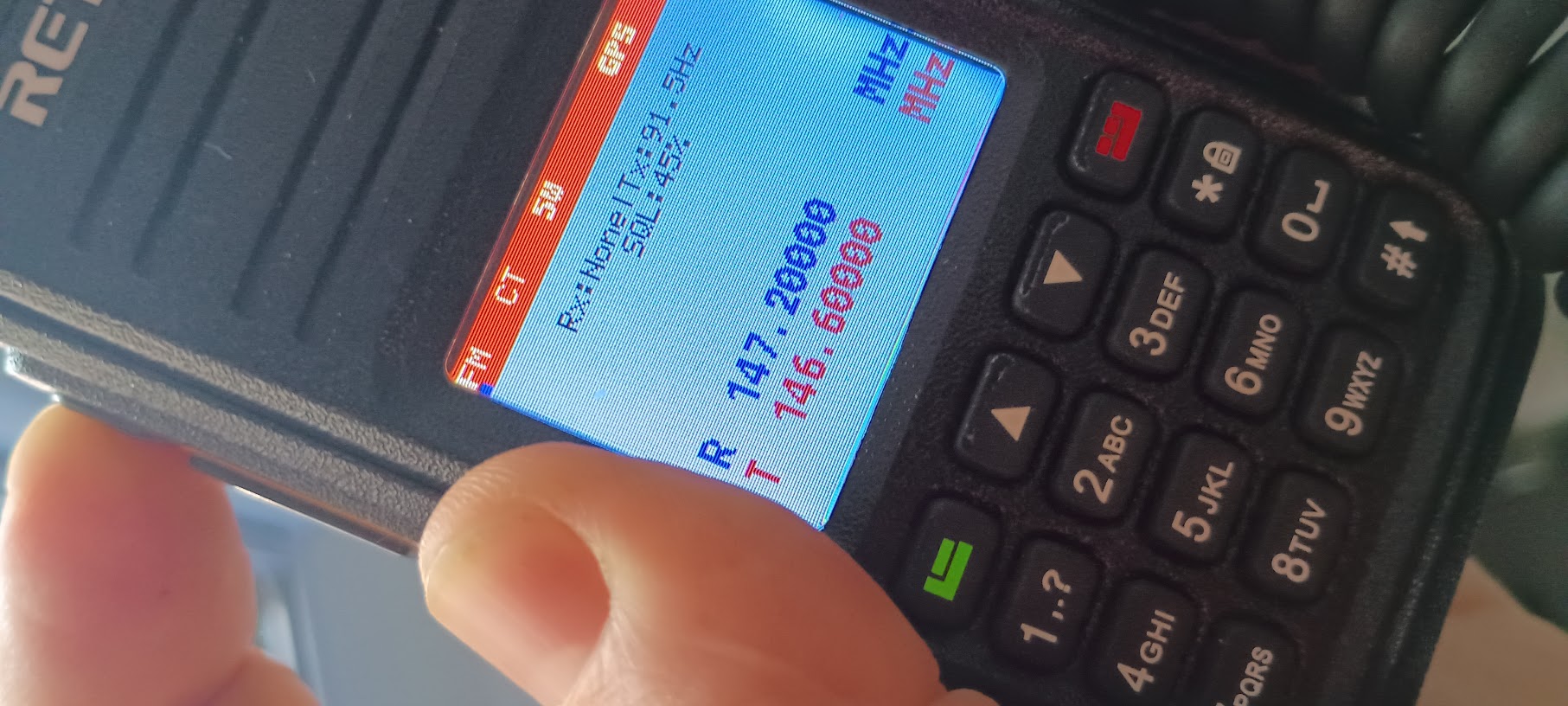
Radio is often dismissed as a hobby, something nostalgic, or a niche interest for a particular kind of enthusiast. Recent events keep proving that assumption wrong. Radio is not a curiosity. It is critical infrastructure, and it is infrastructure that increasingly relies on volunteers, communities, and practical knowledge to stay alive.
Over the Christmas storm periods of 2023 and 2024 on the Gold Coast, many people experienced a complete communications failure. Power went out. Internet went out. Mobile networks followed shortly after. Some households were isolated for days. Others for weeks.
What cut through that failure was radio.
One of the clearest examples was the Springbrook repeater, run by the Gold Coast Amateur Radio Society (GCARS). It stayed operational because a single amateur radio operator physically drove up every couple of days to swap and recharge the batteries. That repeater was heavily used to pass messages and help people who were otherwise completely cut off. No cloud platform. No carrier redundancy. Just a radio, power, and someone who knew what they were doing.
This is not an edge case. In bushfire prone regions, mobile infrastructure is often one of the first things to fail. In floods and cyclones, centralised communications tend to collapse together. We keep relearning the same lesson and then promptly forgetting it.
Radio as a resilience skill
Even in 2026, our communications systems are highly centralised. They are efficient, but fragile under stress. Radio offers something fundamentally different. It works without the internet. It works without mobile carriers. It works peer to peer, community to community.
A basic two way radio and a modest amount of knowledge can materially change outcomes in emergencies. This should not be framed as a geek activity. It is a basic preparedness skill, and one we should be encouraging friends, family, and communities to learn.
Radio is also more accessible than many people realise. The amateur radio foundation licence is achievable without a deep engineering background. In genuine life or death situations, amateur frequencies can legally be used without a licence. The barrier is cultural far more than technical.
Radio is not retro tech
There is a persistent misconception that radio is old technology. In reality, radio underpins some of the most interesting technical work happening today.
Space and satellite communications are radio problems. Remote sensing, aviation, maritime systems, and large parts of IoT all depend on RF fundamentals. These skills are in demand and, increasingly, in short supply. Many software engineers and system architects are building distributed systems without a working understanding of how the physical layer behaves.
If you are designing resilient systems and you do not understand radio, you are missing a critical part of the stack.
This is where modern open source projects matter. Tools like Meshtastic and MeshCore have lowered the barrier dramatically. These projects use low cost hardware to build decentralised, off grid mesh networks that are genuinely usable. They have strong communities, sensible defaults, and a focus on real world use rather than experimentation for its own sake.
This is radio for normal people, not just specialists.
Radio and civil resilience
There is also a broader social dimension that is becoming harder to ignore. Around the world, the right to protest and assemble is being constrained. Communications are often one of the first levers pulled in those situations. Mobile networks can be restricted, throttled, or monitored. Internet access can be disrupted.
Radio is decentralised by design. It is hard to silence completely. It is owned and operated by the people who use it. That makes it an important tool not just for emergency response, but for civil resilience more generally.
This is not about paranoia. It is about understanding how power, communications, and control intersect, and ensuring communities retain some agency when central systems fail or are withdrawn.
A small but telling signal
At a recent Radio BoF session at the Everything Open conference in Canberra, around nine people turned up. Many already had amateur callsigns, and several had Meshtastic devices. That level of interest is genuinely encouraging and shows how much momentum already exists when people are given the space to connect and share practical experience.
The opportunity now is to grow that interest beyond technical circles and into broader communities where radio knowledge can make a real difference.
A call to action
The ask is simple.
Get curious about radio. Get an amateur licence. Buy a low cost UHF or VHF handheld and actually use it. Learn how repeaters work. Learn what fails when power goes out. Learn what keeps working.
Then take that knowledge outside the tech bubble. Talk to your family. Talk to community groups. Treat radio as a normal, practical tool rather than a niche interest.
Radio is not nostalgia. It is infrastructure.
Radio needs YOU!